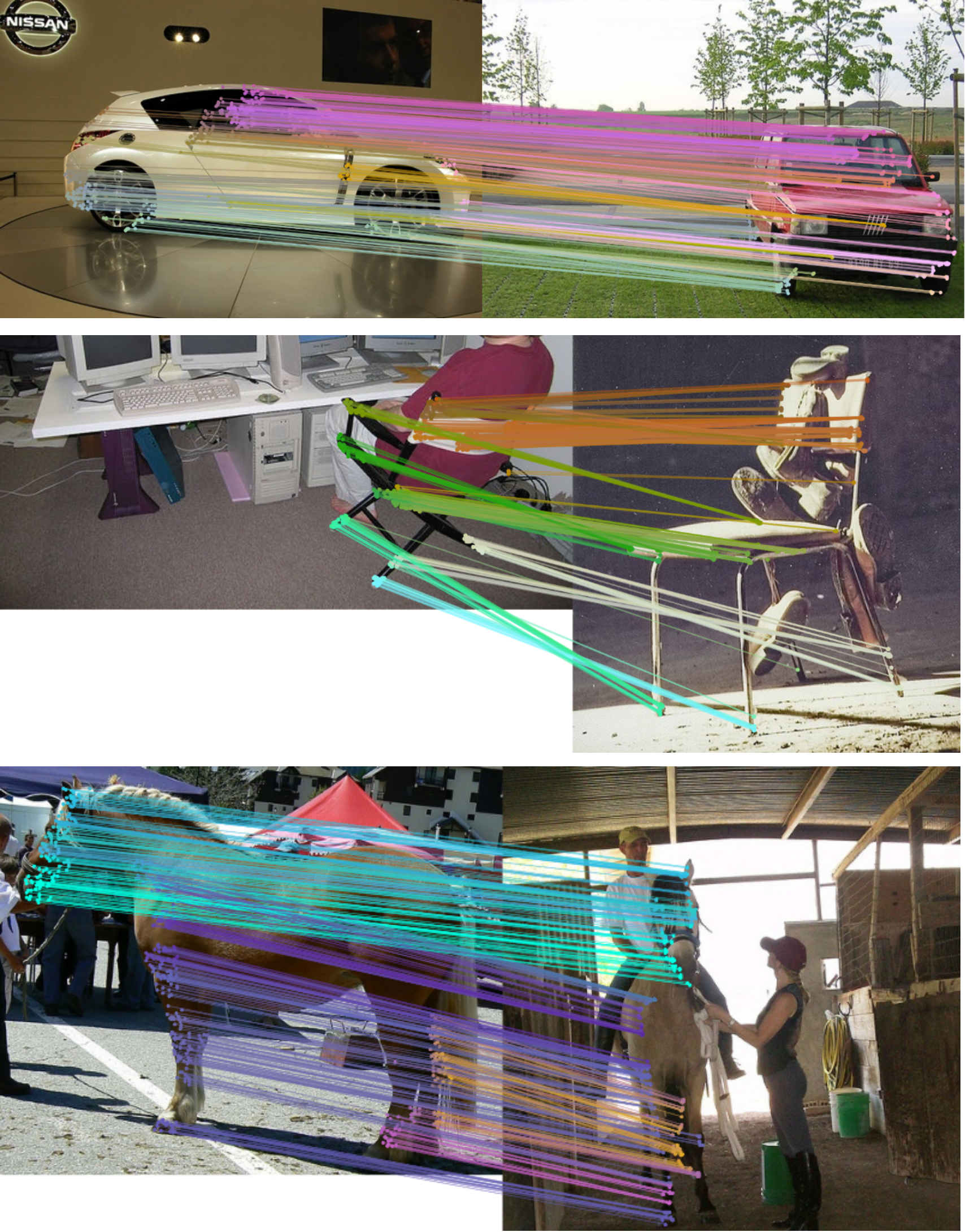
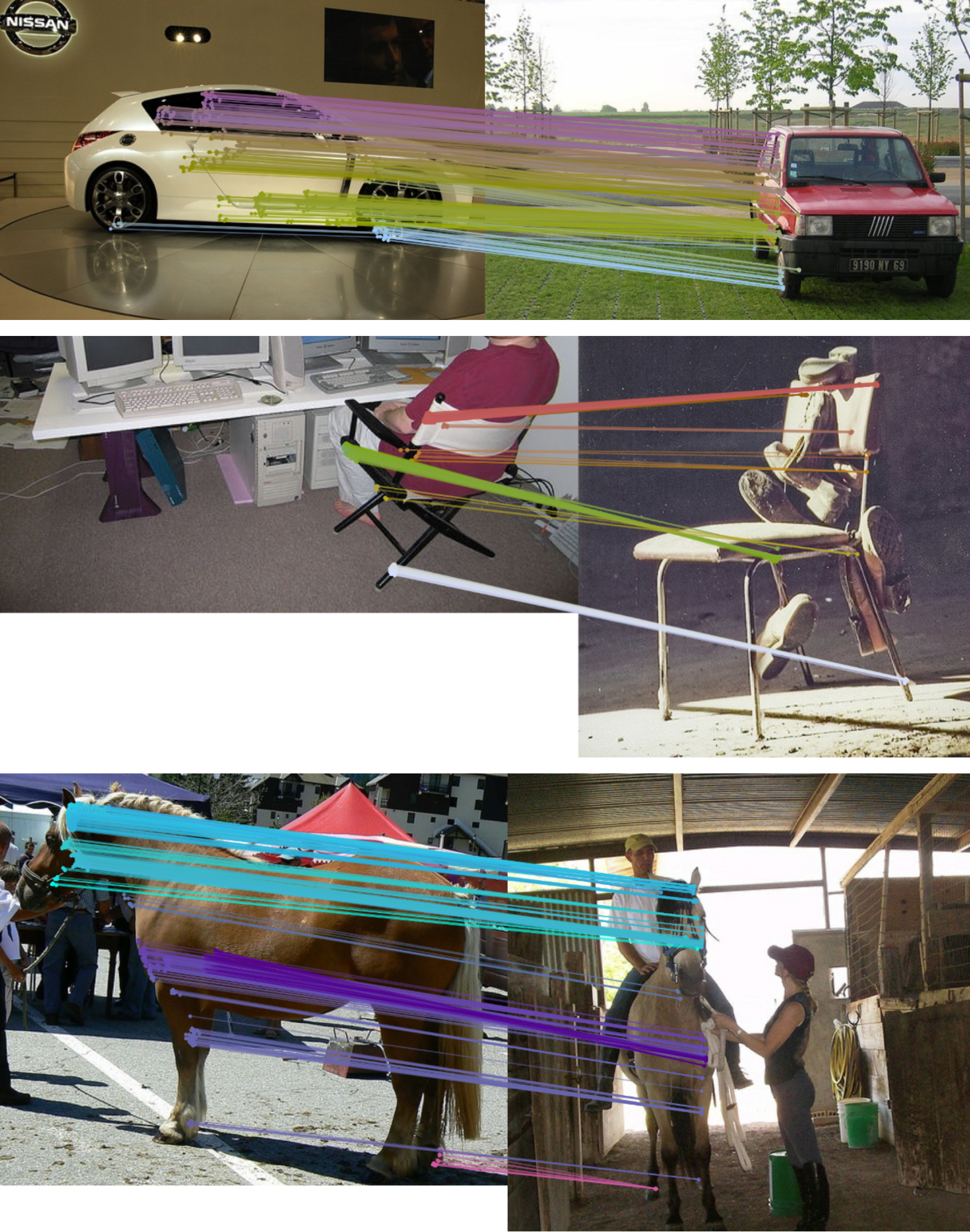
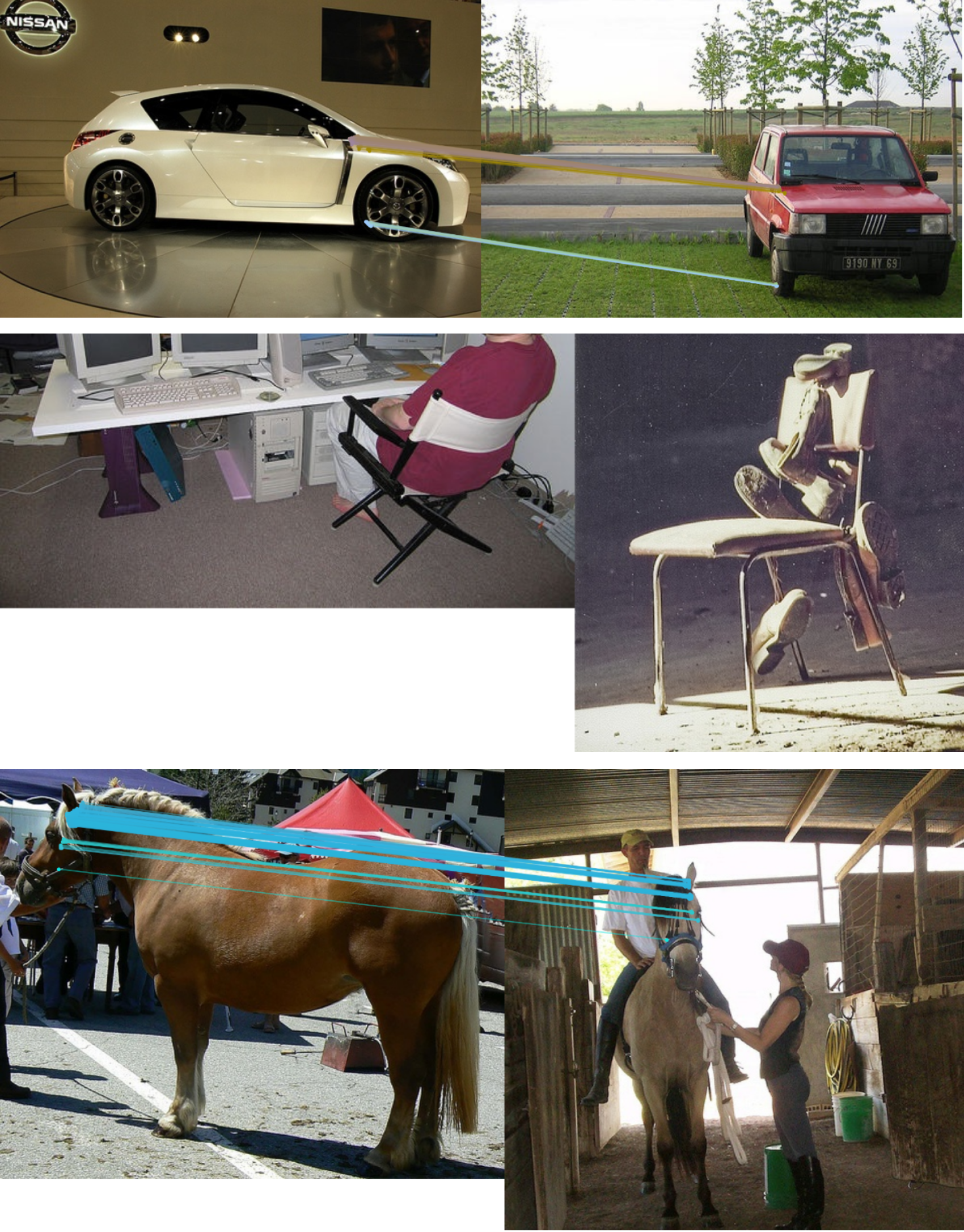
Foundation features from self-supervised vision models and text-to-image diffusion models have proven effective for semantic correspondence estimation. However, because these features are learned primarily from 2D image objectives, they lack explicit 3D awareness and often confuse symmetric object sides, repeated parts, and visually similar structures that are distinct in 3D. We introduce a 3D-aware post-training framework that goes beyond available 2D foundation features by incorporating priors from 3D foundation models. Given an image, our method uses SAM3D to estimate object geometry and pose, and refines the pose through render-and-compare optimization. Subsequently, we render PartField descriptors from the reconstructed geometry into the image plane based on the estimated object pose. The resulting geometry-aware feature maps complement DINO and Stable Diffusion features, while geodesic distances on the reconstructed shapes enable reliable filtering of candidate correspondences. We use the filtered matches as supervision to train a lightweight adapter on top of DINO and Stable Diffusion for semantic correspondence. In contrast to prior post-training approaches that require pose annotations and rely on coarse spherical geometry, our method automatically obtains instance-specific 3D structure and uses it to guide correspondence learning. Experiments show that our approach improves semantic correspondence over prior methods while reducing manual geometric supervision.